
Table of Contents
How to Wash a Car Without a Hose?
🧴 Method 1: Waterless Car Wash (Spray & Wipe)

✅ Best for:
- Light dust
- Fingerprints
- Recently driven cars (not muddy)
🧰 What you need:
- Waterless wash spray (e.g., Meguiar’s Ultimate Waterless Wash & Wax, Chemical Guys EcoSmart Waterless Car Wash)
- 5–10 clean microfiber towels
🪜 Step-by-step:
- Spray product generously on one panel
- Let it sit 10–15 seconds (loosens dirt)
- Wipe gently in one direction (don’t scrub!)
- Flip towel and buff dry
⚠️ Important:
- NEVER use on heavy dirt → you’ll scratch the paint
- Use multiple towels to avoid dragging dirt
🪣 Method 2: Rinseless Wash (Bucket Method)

✅ Best for:
- Moderately dirty cars
- Weekly maintenance washes
🧰 What you need:
- Bucket with water
- Rinseless solution (e.g., Optimum No Rinse Wash & Shine, ONR rinseless wash solution)
- Microfiber towels or wash mitt
- Drying towel
🪜 Step-by-step:
- Mix solution in bucket (follow instructions)
- Soak microfiber towels
- Wipe one panel at a time
- Immediately dry with clean towel
💡 Pro tip:
Use the multiple towel method (1 towel per panel) to avoid scratches.
🧽 Method 3: Water + Spray Bottle (DIY Minimal Setup)

✅ Best for:
- Emergency cleaning
- Very light dust
🧰 What you need:
- Spray bottle (water + a bit of car shampoo)
- Microfiber cloth
⚠️ Downsides:
- Less lubrication → higher scratch risk
- Not ideal for full washes
🧠 Which Method Is Best?
| Situation | Best Method |
|---|---|
| Dusty car (daily use) | Waterless wash |
| Slight dirt / road grime | Rinseless wash |
| No products available | DIY spray bottle |
⭐ Honest Review (Pros & Cons)

Pros
- Can be done anywhere (garage, parking lot)
- Faster than traditional washing
- Saves water 💧
- No hose needed (perfect for apartments 🚪)

Cons
- Requires good microfiber towels (cheap ones = problems)
- Not suitable for very dirty or muddy cars
- Risk of scratches if done wrong
🚫 When NOT to Wash Without a Hose
Avoid these methods if your car has:
- Mud
- Sand
- Salt buildup (winter roads)
👉 In those cases, go to a self-service wash or use a pressure washer.
🔥 Pro Tips (This Makes a HUGE Difference)
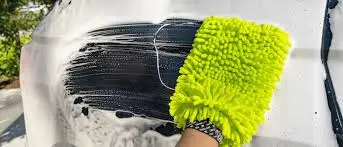
- Always wipe in straight lines, not circles
- Use multiple clean towels (this is key!)
- Start from top → bottom
- Use a separate towel for wheels
🧼 Final Verdict
If done properly, rinseless and waterless washing can be:
👉 Safer than traditional washing (because less water = less dirt dragging)
For you, I’d recommend:
- Rinseless wash (bucket method) → best balance of safety + effectiveness
FAQs
Is it safe for my car’s paint?
✅ Yes — if done correctly
Waterless and rinseless washes are designed with lubrication to lift dirt safely.
The biggest risk comes from:
Using dirty towels
Washing a very dirty car
👉 If your car is lightly to moderately dirty, it’s completely safe.
Will it scratch the car?
⚠️ It can, but only if you do it wrong.
Avoid scratches by:
Using multiple microfiber towels
Never reusing a dirty side
Not pressing too hard
Avoiding muddy/sandy cars
👉 Technique matters more than the product.
What’s better: waterless or rinseless?
👉 Depends on dirt level:
Waterless wash → best for light dust
Rinseless wash → safer for more dirt
💡 If unsure → go with rinseless (more forgiving).
How dirty is “too dirty”?
🚫 Too dirty = don’t use this method
Avoid if you see:
Mud
Sand
Thick grime
Winter salt buildup
👉 In those cases, use a pressure washer or car wash.
Do I need special products?
👉 Highly recommended
Examples:
Optimum No Rinse Wash & Shine (rinseless)
Meguiar’s Ultimate Waterless Wash & Wax (waterless)
You can DIY, but:
❌ Less lubrication
❌ Higher scratch risk
How many microfiber towels do I need?
👉 Minimum:
5–10 towels per wash
💡 Ideal:
1 towel per panel (for best safety)
Can I wash the car in direct sunlight?
⚠️ Not recommended
Why:
Product dries too fast
Can leave streaks
👉 Best:
Shade or evening washing
READ ALSO: Auto Rewind Garden Hose Reel: full review