
Common Mistakes with Garden Hoses
Table of Contents
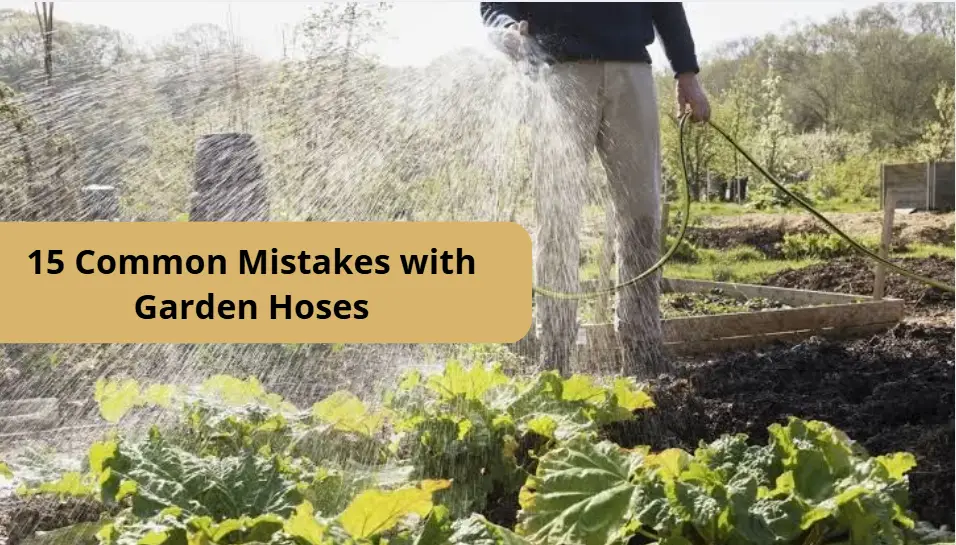
A garden hose looks like one of the simplest tools in your yard, but small mistakes can shorten its life, reduce water pressure, damage plants, and make everyday watering more frustrating. Many hose problems — leaks, cracks, kinks, and weak flow — come from incorrect use or poor maintenance rather than the hose itself.
1. Buying the Wrong Garden Hose
One of the biggest mistakes is choosing a hose based only on price or length.
A cheap hose may seem like a good deal, but low-quality materials often lead to:
- Frequent kinking
- Cracking
- Leaking connectors
- Faster UV damage
- Lower flexibility
What to consider before buying:
Material
Common options include:
Vinyl hoses
- Usually cheaper
- Lightweight
- Good for occasional use
- Less durable
Rubber hoses
- More expensive
- Strong and flexible
- Better heat resistance
- Longer lifespan
Hybrid polymer hoses
- Lightweight
- Flexible
- Resistant to kinking
- Good balance for most homeowners
Expandable hoses
- Compact and easy to store
- Convenient for small spaces
- Usually less durable for heavy-duty use
For regular gardening, a quality rubber or hybrid hose is usually the better long-term choice.
2. Choosing a Hose That Is Too Long
Many people think a longer hose is always better.
A 100-foot hose may sound convenient, but unnecessary length can create problems:
- Reduced water pressure
- More weight
- Harder storage
- More tangles
- More areas that can leak
Better approach:
Choose the shortest hose that comfortably reaches your watering areas.
Common sizes:
- Small patio: 25 ft
- Average yard: 50 ft
- Large garden: 75–100 ft
If you only need 50 feet, buying 100 feet usually creates extra hassle.
3. Leaving the Hose in Direct Sunlight
UV exposure is one of the biggest enemies of garden hoses.
Constant sunlight can cause:
- Drying
- Hardening
- Cracks
- Weak spots
Rubber and high-quality hoses handle sunlight better, but no hose lasts forever outdoors without care.
Better solution:
Store your hose:
- In shade
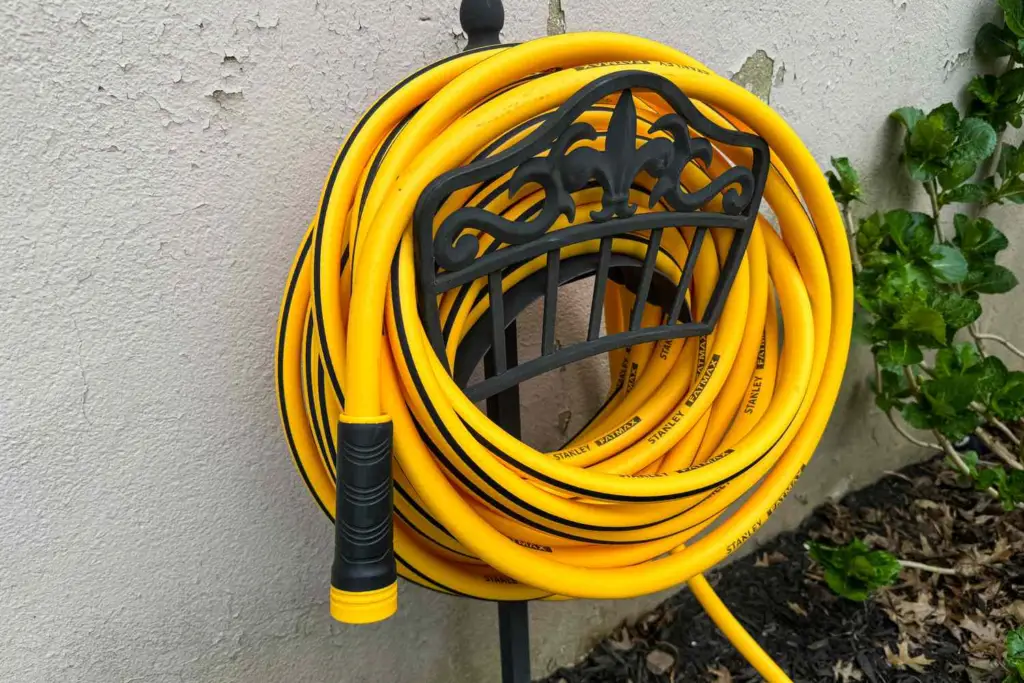
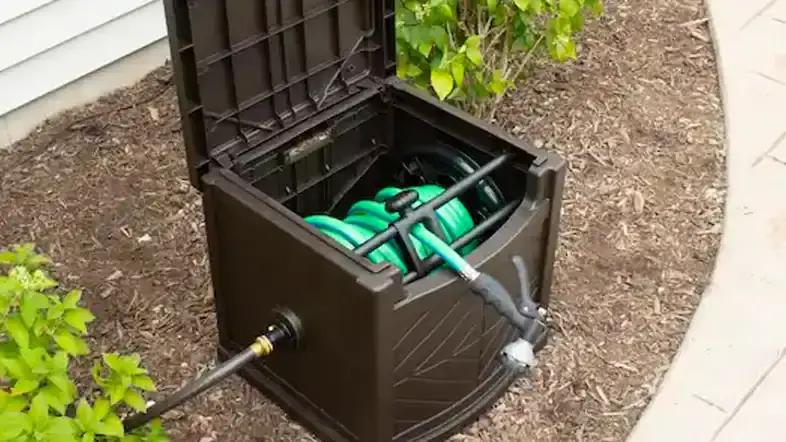
- On a hose reel
- Inside a garage or shed when unused for long periods
A simple storage habit can add years to its lifespan.
Gardener’s Path
4. Not Draining Water After Use
Leaving water sitting inside the hose is another common mistake.
Problems include:
- Added pressure on the hose walls
- Algae growth
- Bad smell
- Freezing damage in winter
After watering:
- Turn off the faucet.
- Release pressure from the nozzle.
- Drain remaining water.
- Store properly.
This is especially important before cold weather.
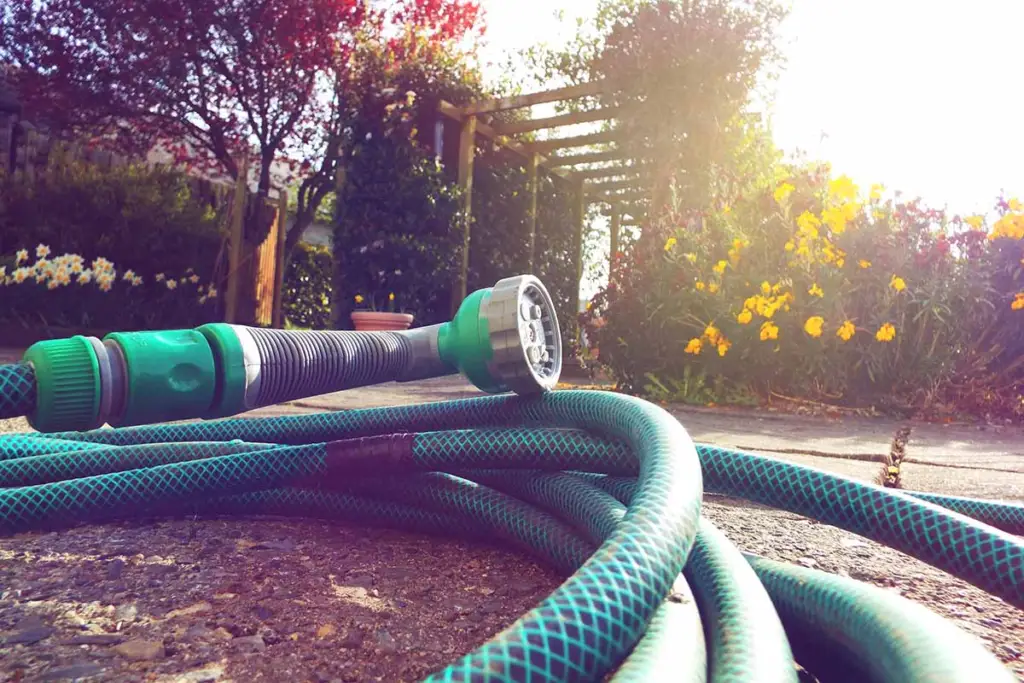
5. Storing a Hose Incorrectly
Throwing a hose on the ground may seem harmless, but it causes unnecessary wear.
Poor storage can lead to:
- Permanent bends
- Kinks
- Crushed sections
- Connector damage
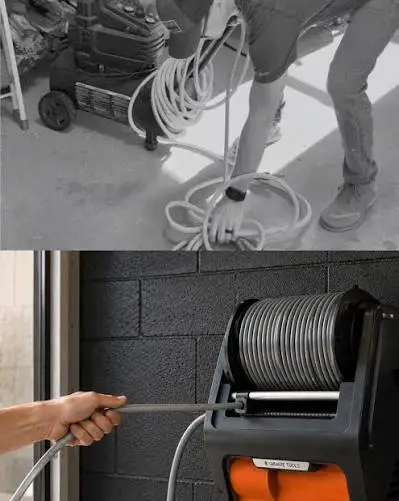
Better options:
- Hose reel
- Wall-mounted hanger
- Hose pot
- Proper loose coil
Avoid sharp bends when storing.
6. Pulling the Hose by the Nozzle
Dragging the hose from the spray nozzle is a very common habit.
Unfortunately, it puts stress on:
- The nozzle connection
- Hose fittings
- Rubber washers
Over time, this creates leaks.
Instead, pull the hose itself and avoid putting pressure on the end connections.
7. Ignoring Small Leaks
A small drip may not seem important, but it wastes water and usually gets worse.
Common leak locations:
- Faucet connection
- Hose coupling
- Nozzle attachment
- Cracked hose sections
Easy fixes:
- Replace rubber washers
- Tighten connections
- Use hose repair connectors
- Replace damaged sections
A small repair can save you from buying a new hose.
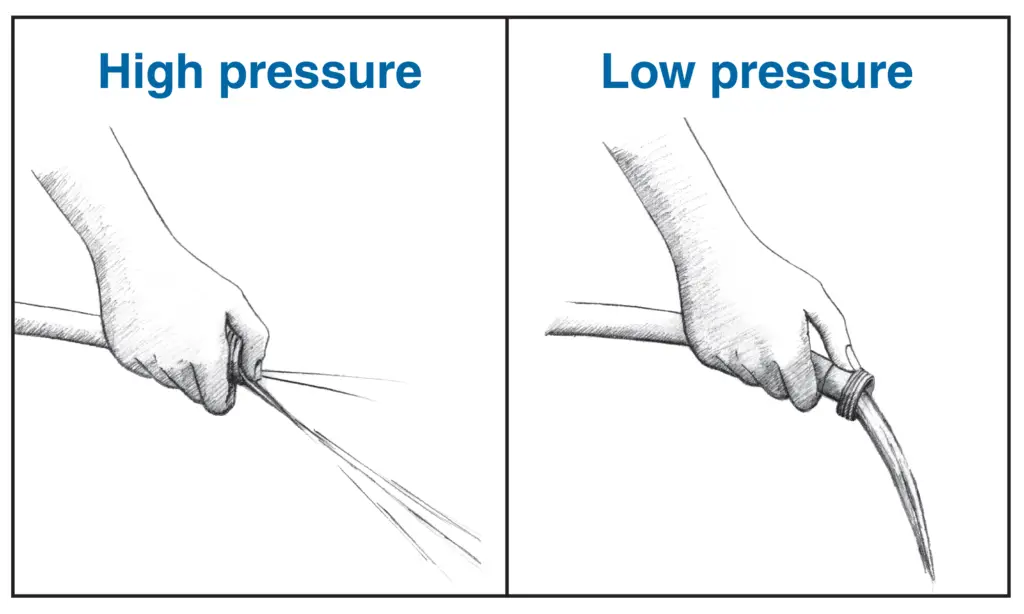
8. Using Too Much Water Pressure
More pressure does not always mean better watering.
Excessive pressure can:
- Damage fittings
- Stretch the hose
- Cause bursts
- Harm delicate plants
Most garden hoses work best with normal residential water pressure.
If your pressure is unusually high, consider using a pressure regulator.
National Institute of Diabetes
9. Forgetting About the Rubber Washer
A missing or damaged washer is one of the most common reasons hoses leak.
Signs of washer problems:
- Water spraying from connections
- Constant dripping
- Need to overtighten fittings
The fix is simple:
Replace the small rubber washer inside the hose connector.
They are inexpensive and can prevent many leaks.
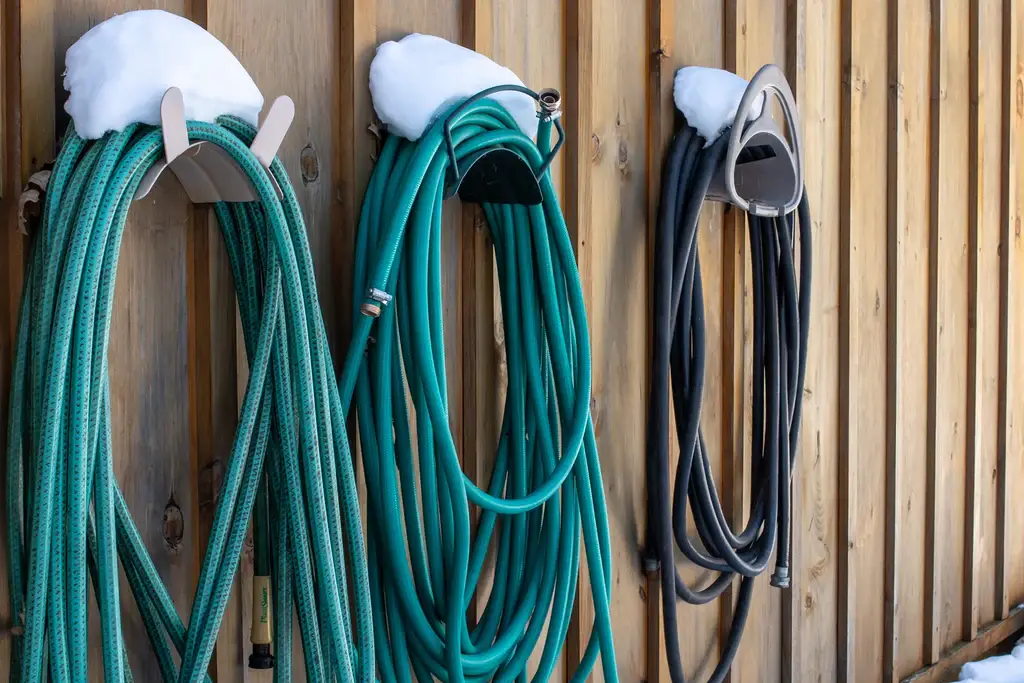
10. Letting the Hose Freeze
Freezing is one of the fastest ways to destroy a hose.
When water freezes:
- It expands
- Creates internal pressure
- Cracks the hose material
Before winter:
- Disconnect from faucet
- Empty completely
- Coil loosely
- Store indoors
Even “weather-resistant” hoses last longer when protected.
11. Using the Wrong Hose for Hot Water
Most garden hoses are designed for cold water only.
Hot water can:
- Soften materials
- Weaken layers
- Cause damage
If you need hot water for cleaning, choose a hose specifically rated for high temperatures.
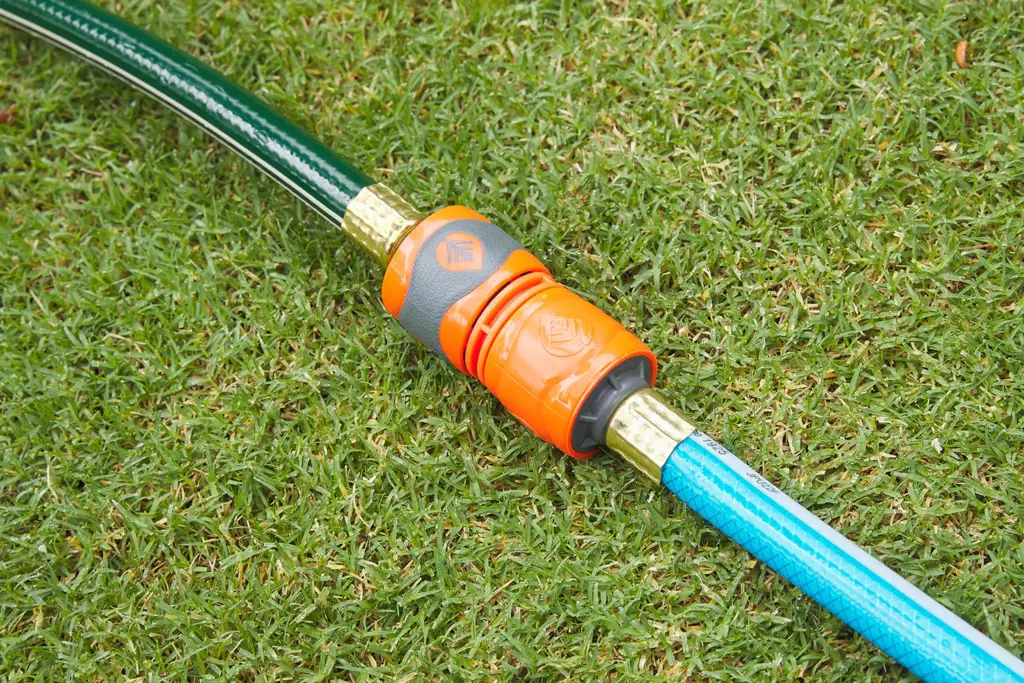
12. Over-Tightening Connections
Many leaks happen because people tighten fittings too much.
Over-tightening can:
- Damage threads
- Crush washers
- Crack plastic parts
Hand-tight is usually enough.
If it still leaks, check the washer instead of forcing the connection.
13. Not Cleaning Hose Attachments
Spray nozzles and sprinklers can collect:
- Dirt
- Minerals
- Debris
This causes:
- Weak spray patterns
- Clogging
- Uneven watering
Clean attachments regularly and remove mineral buildup when needed.
14. Dragging the Hose Over Rough Surfaces
Constant scraping damages the outer layer.
Avoid dragging hoses over:
- Sharp rocks
- Concrete edges
- Metal corners
- Thorny plants
Use hose guides around garden beds and corners.
15. Using a Garden Hose for Drinking Water
Not every hose is safe for drinking.
Standard hoses may contain materials not designed for potable water.
For drinking, pets, or filling small pools, choose a hose labeled:
- Drinking water safe
- Lead-free
- BPA-free
Garden Hose Maintenance Tips
To make your hose last longer:
✔ Drain after use
✔ Store away from direct sun
✔ Avoid sharp bends
✔ Replace washers yearly
✔ Keep fittings clean
✔ Protect from freezing
✔ Use the right nozzle
✔ Repair leaks quickly
With proper care, a quality hose can last many years.
Signs You Need a New Garden Hose
Consider replacing your hose if you notice:
- Multiple leaks
- Deep cracks
- Constant kinking
- Bulging areas
- Brittle material
- Damaged connectors that cannot be repaired
Sometimes replacing an old hose is cheaper than constant repairs.
Final Review: Avoiding Garden Hose Mistakes
Most garden hose problems come from simple habits: poor storage, leaving it in the sun, choosing the wrong size, or ignoring small leaks.
A good-quality hose combined with basic maintenance will provide better water flow, easier gardening, and a much longer service life. Choosing the right hose, storing it correctly, and fixing small issues early are the easiest ways to avoid frustration and unnecessary replacements.
READ ALSO: Best Pressure Washer Hose for Drone Cleaning