
Are Garden Hoses Recyclable?
Table of Contents
Garden hoses are essential tools for watering lawns, maintaining gardens, washing cars, and cleaning outdoor spaces. However, when a hose becomes cracked, leaky, or unusable, getting rid of it responsibly can be more complicated than expected.
Are garden hoses recyclable? The short answer is that most garden hoses cannot be recycled through regular curbside recycling programs. Although some of their materials can technically be recovered, their flexible construction and mixed-material composition make them difficult for conventional recycling facilities to process.
Fortunately, recycling isn’t the only environmentally responsible option. Repairing, donating, repurposing, and choosing longer-lasting alternatives can reduce waste.
Why Are Garden Hoses Difficult to Recycle?
Most standard recycling facilities process items such as plastic bottles, aluminum cans, cardboard, and other approved packaging materials.
Garden hoses present two major challenges.
They can damage recycling equipment
Recycling professionals classify garden hoses as tanglers because their long, flexible shape can wrap around conveyor belts, spinning discs, and sorting machinery.
When this happens, recycling facilities may have to shut down equipment to remove the tangled materials.
According to the City of Portland’s recycling guidance, this creates worker-safety risks, delays operations, and increases recycling costs.
They contain multiple materials
Garden hoses often combine several materials, including:
- PVC (polyvinyl chloride)
- Synthetic or natural rubber
- Polyurethane or thermoplastic elastomers
- Polyester or nylon reinforcement
- Brass or aluminum connectors
- Rubber washers and plastic fittings
Separating these components isn’t practical for most household recycling programs.
Even if a hose is labeled recyclable or made with recycled materials, that does not guarantee a local recycling facility will accept the finished product.
Are Different Types of Garden Hoses Recyclable?
The material used to manufacture a garden hose influences its potential for recycling.
| Garden hose type | Curbside recyclable? | Potential alternative |
|---|---|---|
| PVC hose | No | Specialized PVC recycling, if accepted |
| Rubber hose | No | Specialized rubber recovery, if accepted |
| Polyurethane hose | No | Manufacturer or specialist program |
| Expandable hose | No | Reuse or general waste |
| Reinforced hybrid hose | No | Specialized recovery where available |
| Metal hose fittings | Depends on program | Scrap-metal recycling |
PVC garden hoses
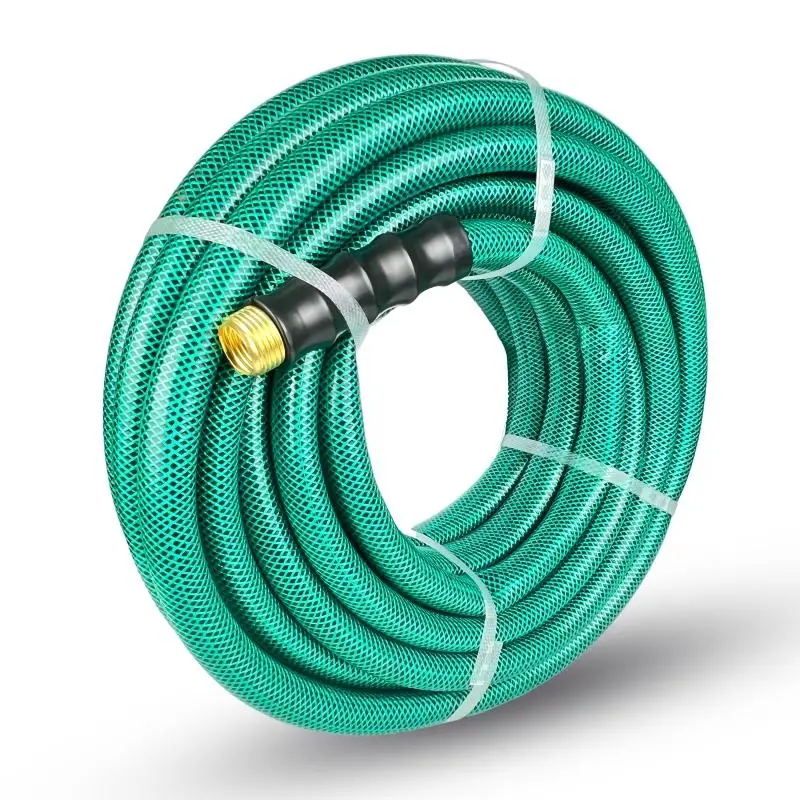
PVC hoses are affordable, lightweight, and widely available. However, many contain plasticizers and internal reinforcement layers that complicate recycling.
Specialized recycling operations may process certain PVC materials, but they generally do not accept an individual used hose without prior approval.
Rubber garden hoses
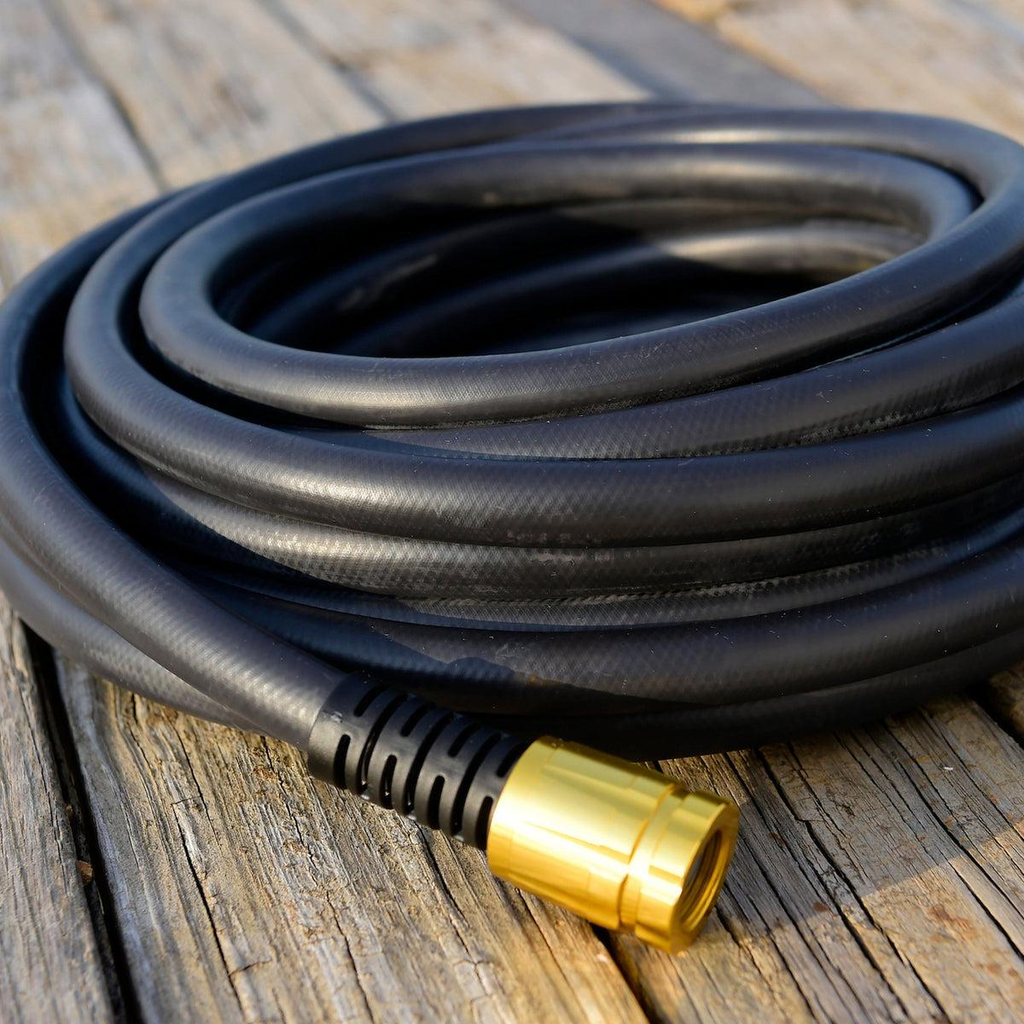
Rubber hoses are often more durable than inexpensive PVC products and can tolerate demanding outdoor conditions.
Some rubber materials can be mechanically processed for reuse, but rubber garden hoses are not routinely accepted in household recycling streams.
Polyurethane garden hoses
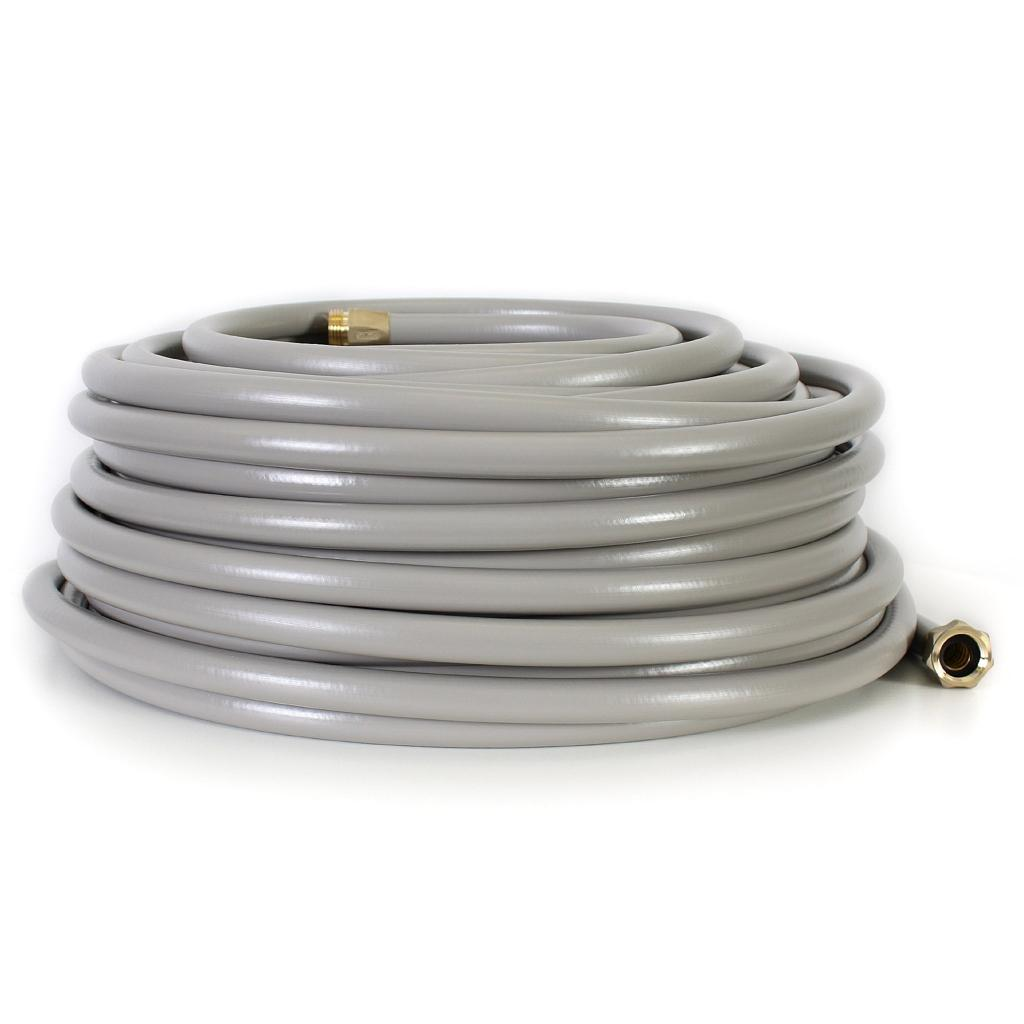
Polyurethane hoses are generally lightweight and flexible. Certain polyurethane formulations are technically recyclable, but practical collection options for used garden hoses remain limited.
Check with the manufacturer before assuming the hose can be returned for recycling.
Expandable garden hoses
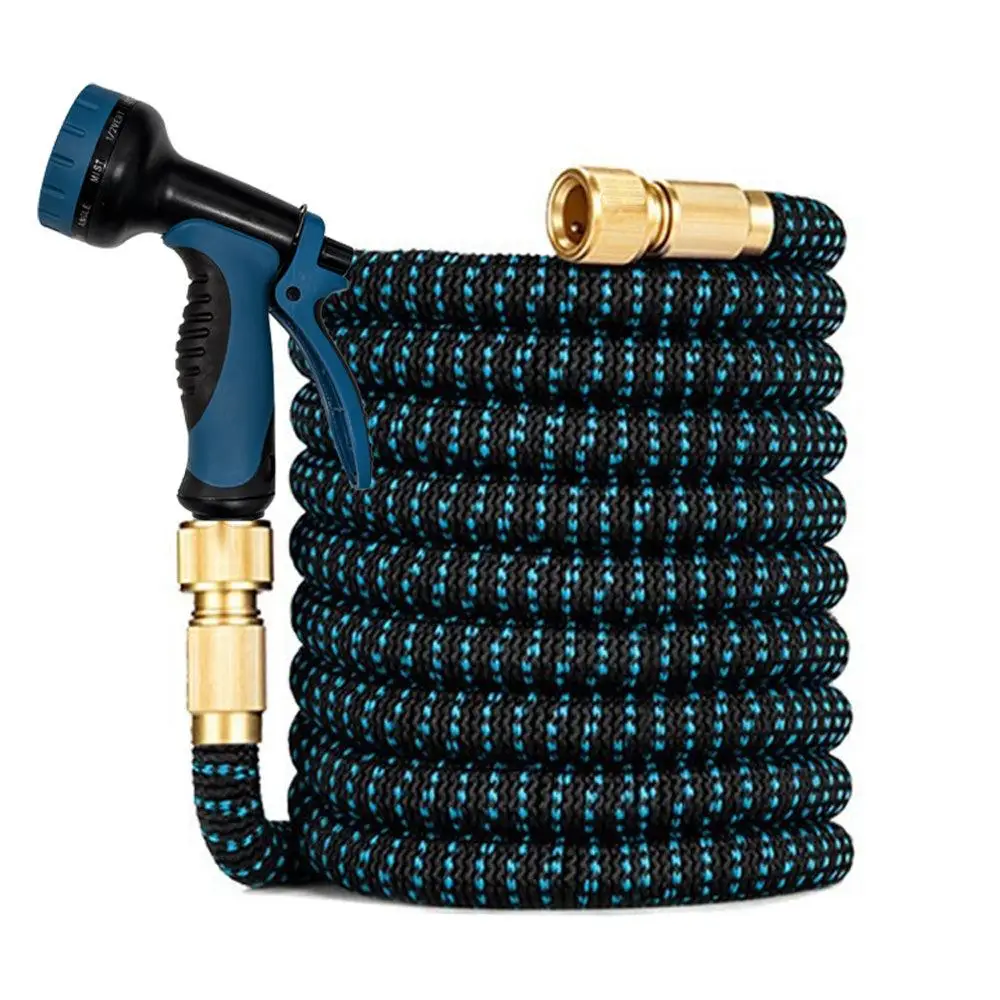
Expandable hoses typically combine an elastic inner tube with a woven fabric outer sleeve.
These bonded or assembled materials are particularly challenging to separate, making conventional recycling impractical.
Verdict: No common garden hose material should automatically be considered curbside recyclable. Acceptance depends on the specific recycling facility, not just the material printed on the product label.
How to Dispose of an Old Garden Hose Properly
Step 1: Inspect the hose
Before disposing of it, determine whether it can still be used or repaired. Small leaks and damaged couplings do not necessarily require replacing the entire hose.
Step 2: Check local recycling regulations
Contact your municipal waste department or check its official recycling directory.
For example, the City of Austin advises residents to look for reuse organizations or place garden hoses in their trash carts. Miami-Dade County also explicitly excludes garden hoses from recycling. austintexas.gov+1
Step 3: Remove reusable fittings if practical
If metal fittings can be separated safely, consider keeping them for future repairs or taking them to a scrap-metal recycler that accepts small brass or aluminum components.
However, not every municipal metal recycling program accepts loose fittings.
Step 4: Prepare the remaining hose
If no reuse or specialist recycling option exists:
- Disconnect the hose and drain remaining water.
- Coil it into a manageable bundle.
- Cut it into shorter lengths only if required for safe disposal or bin size.
- Place it in general waste according to local requirements.
Cutting a hose does not make its material curbside recyclable.
If the hose was used with pesticides, solvents, or other hazardous chemicals, consult your local hazardous-waste service before disposal.
Creative Ways to Reuse Old Garden Hoses
Repurposing an old garden hose can extend its useful life while reducing the amount of material sent to landfills.
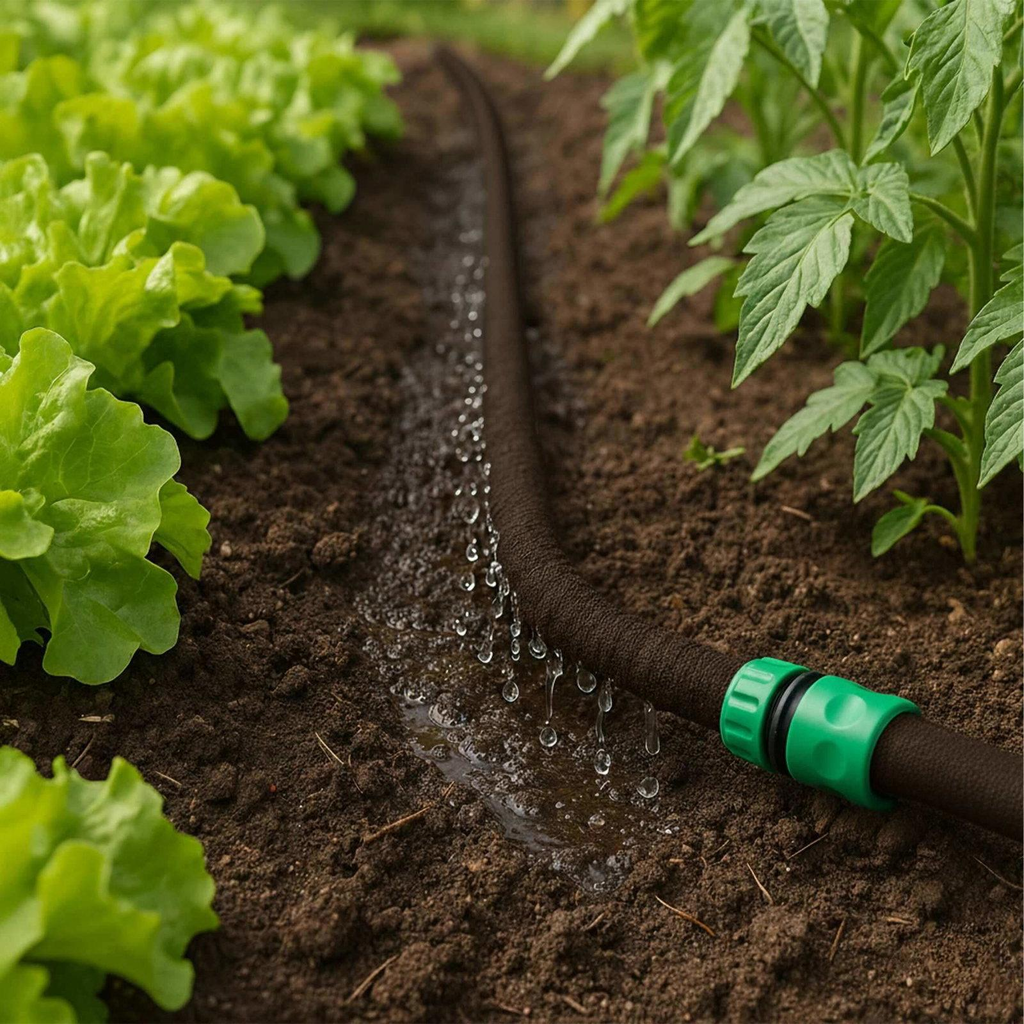
1. DIY soaker hose
Make small, evenly spaced holes in a suitable old hose to create a low-pressure watering line.
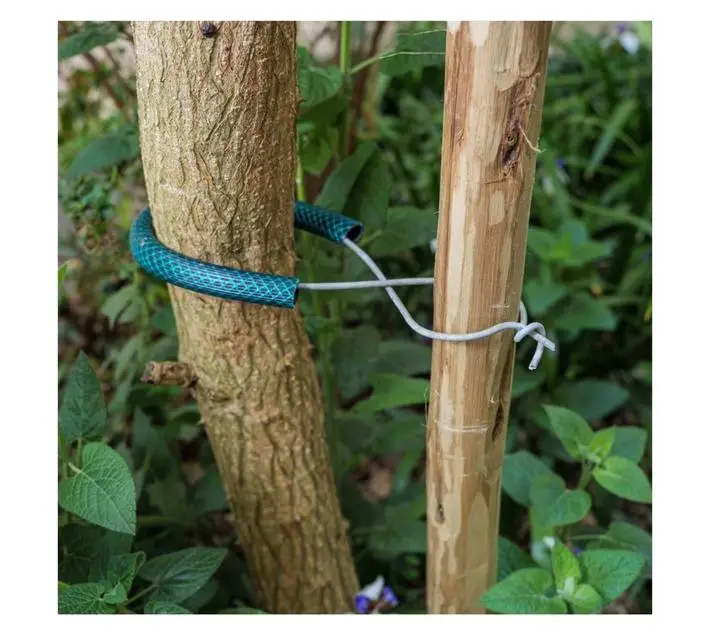
2. Tree protection
Use short hose sections as protective sleeves where tree ties might rub against bark.
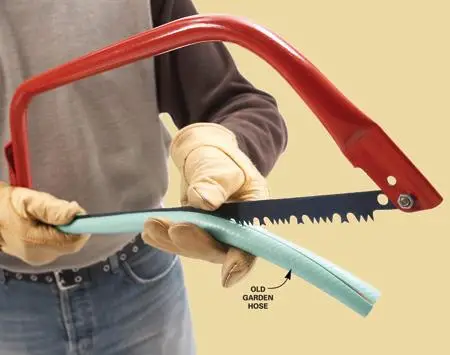
3. Protective edging
Split a section lengthwise to cover suitable sharp edges or protect surfaces from abrasion.
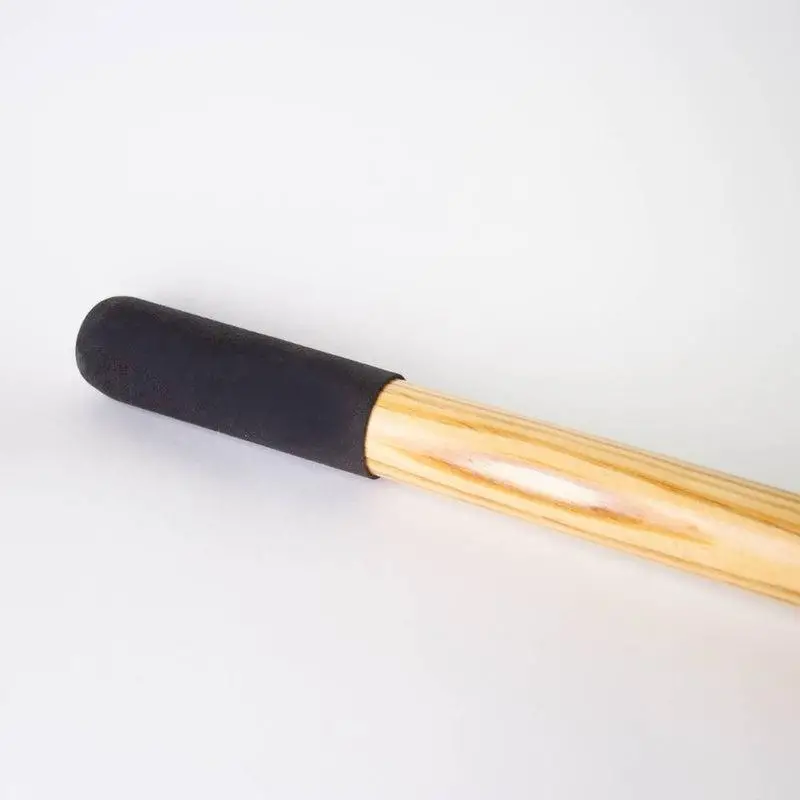
4. Tool handle grips
Use clean hose sections as cushioning on compatible garden-tool handles.
Other uses include protecting chains from scratching surfaces, making non-load-bearing equipment guards, and organizing garden accessories.
Only repurpose hoses that are clean and structurally suitable. Avoid using deteriorated or chemically contaminated hoses around edible crops, animals, or children.
Can You Repair a Garden Hose Instead of Replacing It?
In many cases, yes. Small repairs are often the most economical and environmentally responsible solution.
| Problem | Recommended repair | Difficulty |
|---|---|---|
| Leaking connector | Replace rubber washer | Easy |
| Small hole | Use compatible repair coupling | Easy–moderate |
| Damaged end fitting | Install replacement connector | Easy–moderate |
| Split hose section | Remove damaged portion and splice | Moderate |
| Multiple cracks throughout | Replace hose | Not practical |
| Severe internal deterioration | Replace hose | Not practical |
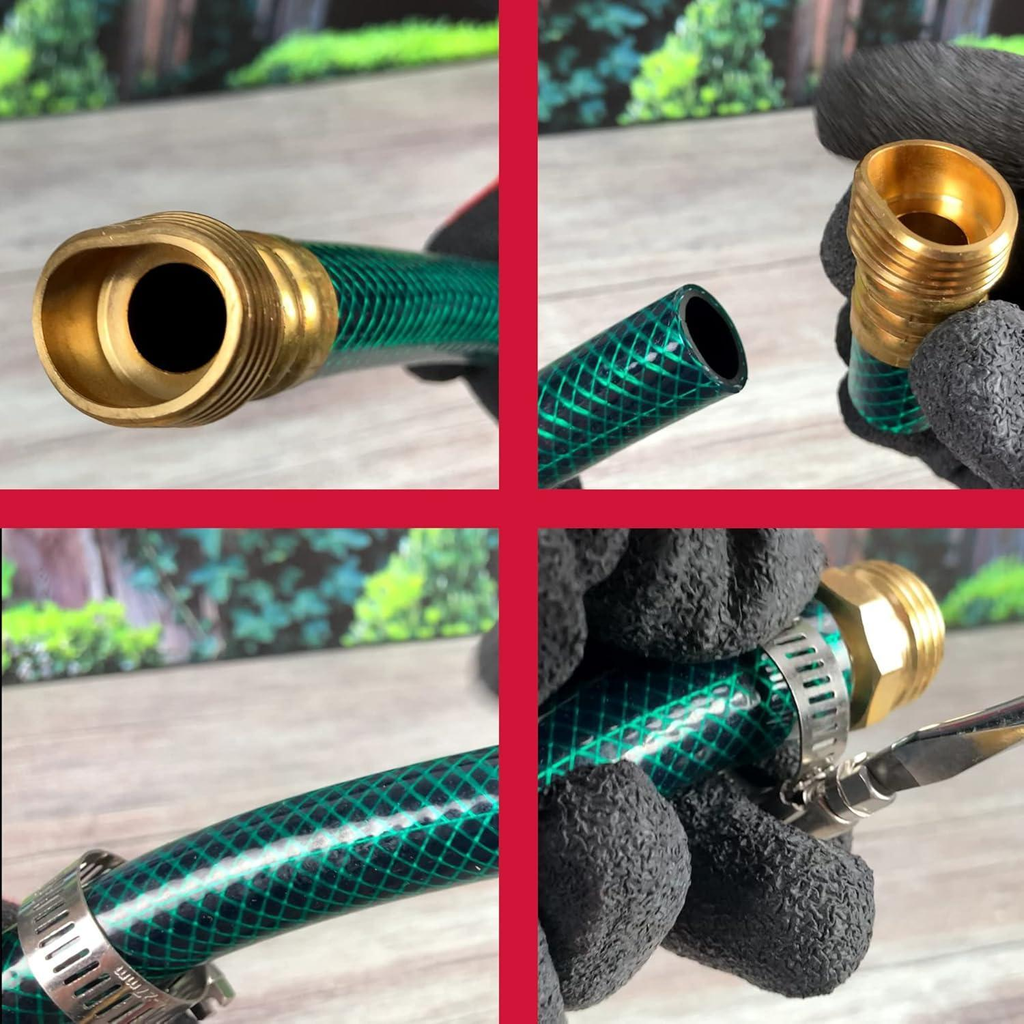
How to fix a damaged hose
- Turn off the water and release pressure.
- Locate the leak.
- Cut away the damaged section with an appropriate cutting tool, if necessary.
- Install a compatible hose mender or replacement fitting.
- Tighten according to the manufacturer’s instructions.
- Turn on the water gradually and check for leaks.
For an inexpensive hose, buying replacement parts might not always make financial sense. However, a simple repair is often worthwhile for a high-quality rubber or reinforced hose.
Are Eco-Friendly Garden Hoses Better?
Eco-friendly garden hoses are not necessarily recyclable, but they can reduce environmental impact when designed for durability, repairability, and longer service life.
Some manufacturers use recycled materials, provide replacement fittings, or limit certain chemical additives.
Consider the following factors when comparing hoses.
| Feature | Why it matters |
|---|---|
| Durable construction | Reduces premature replacement |
| Replaceable fittings | Makes repairs easier |
| Recycled material content | May reduce demand for virgin materials |
| Manufacturer take-back | May offer a verified disposal pathway |
| Drinking-water-safe certification | Important for potable-water applications |
| UV and kink resistance | May improve service life |
Best materials for long-term use
Rubber: Often a good choice for heavy-duty gardening because of its flexibility and durability, although it can be heavy.
Polyurethane: Frequently lightweight and convenient for regular gardening. Performance varies by formulation and construction.
Hybrid polymer: Can offer a balance of flexibility, manageable weight, and durability.
PVC: Generally affordable but may become stiff or crack with prolonged exposure to harsh conditions, depending on quality.
Remember that no material is universally the most sustainable. A durable hose that lasts many years can be a more practical environmental choice than a supposedly green product that requires frequent replacement.
Environmental Impact of Discarded Garden Hoses
Garden hoses can create several waste-management challenges.
Plastic waste
Many garden hoses contain long-lasting synthetic polymers. If sent to a landfill, these materials may persist for extended periods rather than biodegrading quickly.
Resource consumption
Producing new hoses requires raw materials and energy. Repairing existing products reduces the need for manufacturing replacements.
Recycling contamination
Incorrectly placing garden hoses in recycling bins can disrupt processing.
Waste Management specifically identifies hoses as examples of mixed-material products that are unsuitable for ordinary mixed recycling and warns about the operational hazards created by tanglers. WM
Outdoor plastic pollution
Discarded or deteriorating plastic hoses left outdoors can break into smaller fragments over time. Proper collection and disposal help reduce the risk of litter and plastic debris entering the environment.
How to Make a Garden Hose Last Longer
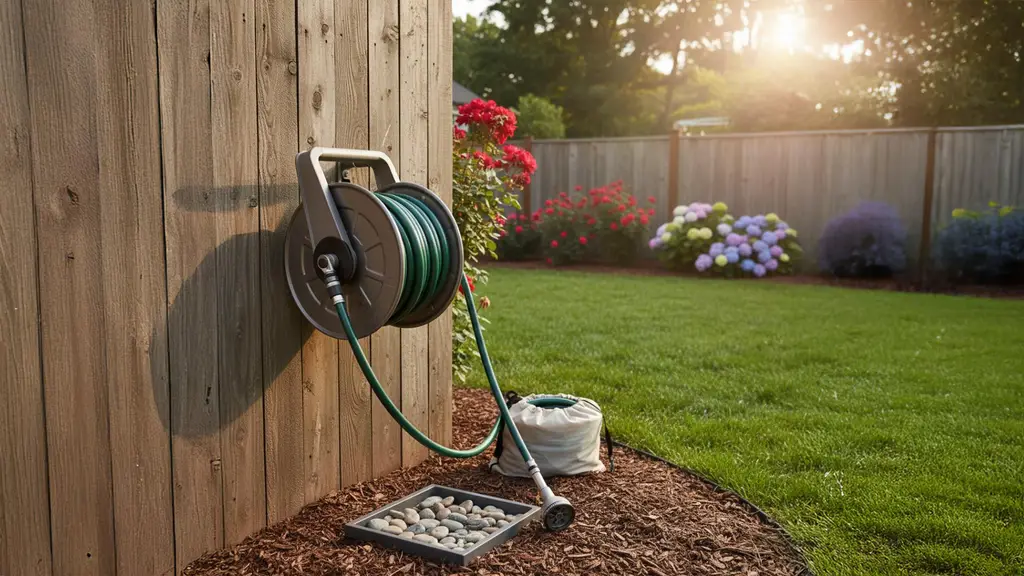
Preventing waste starts with taking proper care of gardening equipment.
- Store out of direct sunlight: Long-term UV exposure can damage some hose materials.
- Drain after use: Emptying the hose reduces trapped water and helps prepare it for cold-weather storage.
- Avoid sharp bends: Kinks can weaken hose walls and restrict water flow.
- Use a hose reel: Proper storage reduces twisting, crushing, and accidental damage.
- Protect during freezing weather: Disconnect and drain hoses before freezing temperatures arrive.
- Inspect connectors: Replace worn washers before small leaks develop into larger problems.
A high-quality garden hose maintained correctly can remain useful for years, although its actual lifespan depends on its material, climate, usage, and storage conditions.
Common Garden Hose Recycling Mistakes
One of the biggest mistakes homeowners make is assuming that anything made from plastic can go in a recycling bin.
Avoid these common errors:
- Placing a coiled garden hose in the curbside recycling cart.
- Assuming a recycling symbol guarantees local acceptance.
- Mixing rubber hoses with tire-recycling materials without approval.
- Putting metal hose connectors in a recycling bin without checking size and material requirements.
- Cutting a hose into smaller pieces and assuming it is now recyclable.
- Assuming every recycling center actually recycles all the materials it receives.
The City of Fort Collins explicitly recommends donating usable garden hoses or disposing of them in the trash, rather than placing them in recycling bins. City of Fort Collins
Final Verdict: Are Garden Hoses Recyclable?
| Regular curbside recycling | Generally not accepted |
| Specialized material recycling | Limited availability |
| Metal connector recycling | Often possible |
| Repair potential | Good for localized damage |
| Donation and reuse | Excellent for usable hoses |
| General waste disposal | Usually accepted |
Most garden hoses are not recyclable through standard household recycling programs. Their flexible shape, mixed materials, and metal components make them difficult to handle through ordinary recycling systems.
For homeowners, the best approach is to repair a hose whenever possible, donate it while usable, and explore appropriate reuse or specialized recycling options before choosing general waste disposal.
When purchasing a replacement, prioritize quality, durability, and replaceable components over unsupported environmental marketing claims.
READ ALSO: How to Choose A Garden Hose Length?